Target, Gap, and Ralph Lauren: Three Lessons in Cultural Intelligence
For years, brands treated culture like a language they could just learn when they needed it. Hire the right agency. Cast the right people. Put a “cultural moment” into the campaign. Add a heritage month. Move on. That model is breaking down fast. It might already be broken.
Consumers are increasingly fluent in culture themselves, which means they are also increasingly fluent in brands that are not. They can tell when a brand understands the context it is entering, when it has borrowed an aesthetic without understanding its meaning, and when it has simply missed something that should have been obvious. The difference between those outcomes is not necessarily creative talent. It is cultural literacy.
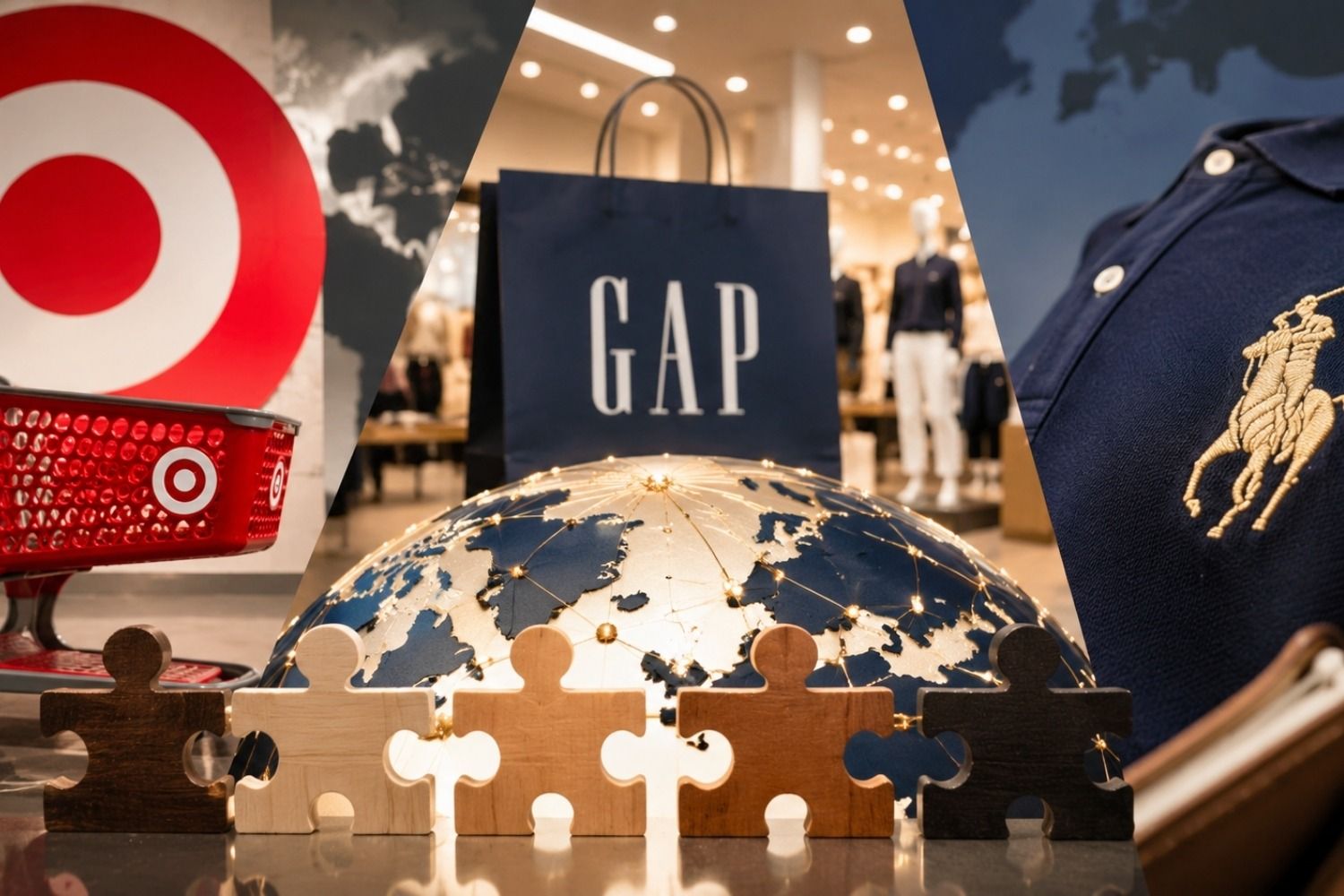
The recent Target Halloween costume controversy and Gap’s new campaign featuring an HBCU marching band offer two very different case studies in what happens when brands approach culture from opposite directions. One became a lesson in what happens when a brand fails to recognize the cultural meaning attached to what it is putting into the world. The other demonstrates the upside of building a cultural relationship into the creative idea itself.
The Target controversy was not really about a costume. It was about interpretation. The product was reportedly designed and sold as a clown costume, but many Black consumers saw imagery and styling that evoked racist caricatures and the history of Blackface and minstrelsy. Target apologized, pulled the product, and said it was reviewing how the mistake happened. The important question for other brands is not whether someone at Target intended to offend anyone. It is why the brand did not recognize how the product could be interpreted before it reached the consumer. That distinction is everything.
Brand intent is increasingly becoming one of the least interesting parts of the cultural conversation. Consumers experience the thing that actually lands. They do not have access to the internal meeting where someone says, “That’s not what we meant.” They see the campaign, the product, the casting, the language, the image. Then they interpret it through their own history, identity, and experience.
That is not a communications problem. It is a business competency problem.
Gap’s new campaign with an HBCU marching band illustrates the other side of the equation. Rather than simply borrowing the visual language of Black culture, the campaign puts an actual HBCU marching band at the center of the work, connecting Gap’s brand to a cultural institution with its own history, meaning, and audience. The distinction may sound subtle, but it is enormous. One approach asks, “How can we make this feel culturally relevant?” The other asks, “What happens when we build the work around something that already has cultural meaning?”
That is cultural literacy in practice, and it is increasingly becoming a competitive advantage.
The best brands are learning that culture is not a mood board. It is not a casting choice. It is not a list of references that gets handed to a creative team. Culture is a system of meaning. It tells people what something signifies, who it belongs to, what memories it activates, what values it communicates, and whether the brand has earned the right to participate in the conversation.
Ralph Lauren has demonstrated this particularly well with its collection and campaign that was an homage to Oak Bluffs. The brand’s Polo Ralph Lauren collections inspired by the historic Black summer community on Martha’s Vineyard have been successful not because the company discovered a fashionable visual code and put it on a shirt.
The brand spent years engaging with a place and a cultural story that already mattered. Oak Bluffs became part of Ralph Lauren’s broader American mythology while remaining recognizable to the people who knew the community firsthand. The result was not simply a product. It was cultural recognition turned into brand equity. That is a very different proposition from cultural appropriation dressed up as inspiration.
It also explains why some culturally resonant brand work feels effortless. The audience isn’t being asked to believe something about the brand. They are recognizing something that is already there.
This is where multicultural insight becomes much more valuable than another round of demographic segmentation. Knowing that an audience is Black, Latino, Asian, Gen Z, or multicultural tells a brand who is in the room. It does not tell the brand what that audience sees when it walks into the room.
Cultural literacy requires a different kind of intelligence. It requires understanding the histories, symbols, behaviors, tensions, aspirations, and contradictions that shape how people interpret the world. It requires recognizing that a visual reference can be joyful to one audience and loaded for another. That a phrase can sound clever internally and condescending externally. That a brand can think it is celebrating a community while the community feels like it has been turned into a costume. And increasingly, consumers expect brands to know the difference.
This is particularly true among younger audiences, who have grown up in an environment where culture moves faster than traditional brand research. They see references move across TikTok, music, fashion, gaming, sports and communities in real time. They understand remix culture instinctively. They know when something is authentic, when it is borrowed and when a brand has arrived five minutes late to a conversation that has already moved somewhere else.
That makes cultural literacy less about knowing everything and more about developing the muscle to recognize what you do not know. That may be the biggest shift for brands.
The old model was confidence: We know our consumer. We know our category. We know what works. The new model requires curiosity: What are we missing? What does this mean to different audiences? What assumptions are we making? What happens when this idea leaves the room where we created it? Those are not soft questions. They are risk-management questions, innovation questions, and brand-equity questions.
Because the cost of cultural illiteracy is no longer limited to a bad campaign. It can mean lost trust, damaged reputation, wasted media spend, a product pulled from shelves, or a brand becoming the subject of a conversation it never intended to start.
The upside works in the other direction. When brands understand culture deeply, they can create things consumers want to participate in rather than simply consume. They can find new product opportunities, new communities, new partnerships and new forms of relevance that competitors cannot manufacture through targeting alone.
This is why multicultural insight should not sit at the end of the marketing process, waiting to approve a campaign. It belongs much earlier. It should inform the questions brands ask before the creative brief is written, before the product is developed, before the partnership is announced, and before the campaign enters the market.
The goal isn’t to make every brand culturally perfect. That is impossible, and frankly, it would make brands incredibly boring. The goal is to make brands more culturally aware. More observant. More curious. Better equipped to understand the meaning attached to the things they are putting into the world. Because culture is not something brands can opt into anymore. They are already operating inside it. The only question is whether they understand what they are looking at.
That is where Jembe Intelligence comes in. Jembe gives brands a continuous, in-the-moment view into how different audiences are interpreting the brands, products, messages, and cultural moments around them, bringing together consumer data and cultural context to reveal what traditional research can leave unexplained. It is a way to build cultural literacy into the organization itself, so teams can make better decisions before they have a cultural problem to clean up afterward.
Don’t wait for consumers to tell you what you missed. Build the cultural intelligence to see it first. Explore Jembe Intelligence and start building your brand’s cultural literacy.