Why Gen Alpha Wants Beauty Before They’re Old Enough to Buy It
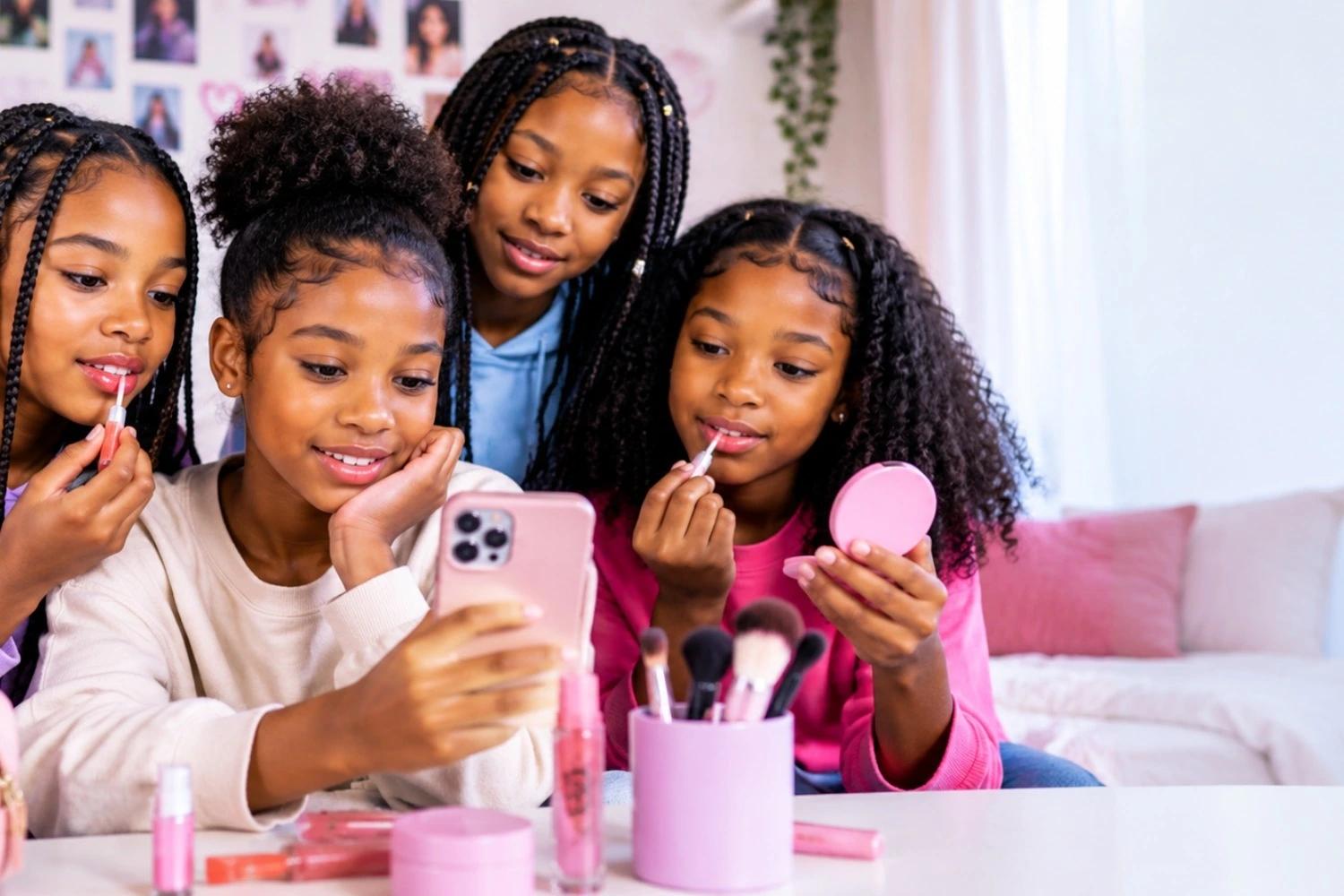
Beauty has always sold aspiration. What’s changing is how early the aspiration begins. Gen Alpha is encountering skincare, makeup, fragrance, haircare, and beauty culture long before most of them have the money, autonomy, or even the maturity to be considered traditional beauty consumers. They are watching GRWMs on TikTok. They know what a serum is. They recognize brands. They have opinions about packaging, ingredients, routines, and what is “good” enough to put on their faces. Some are asking for products they may not actually need, while others are building elaborate routines around problems they don’t have. The obvious reaction is to ask whether this is too much, too soon. The more interesting question for beauty executives is why beauty has become culturally relevant to children in the first place.
The answer is bigger than skincare. Gen Alpha is growing up in an environment where appearance is increasingly visible, documented, and performed. A child doesn’t have to be trying to become a beauty influencer to understand that looking a certain way can generate attention, belonging, or social currency. Beauty content is entertainment, education, aspiration, and commerce at the same time. The traditional boundaries between playing with makeup, learning about beauty, and actually participating in beauty culture have become much harder to see. A product can enter a child’s world as something they watched someone use long before it enters their bathroom.
That changes the consumer equation. The child may not be the buyer, but they can absolutely be the demander. They discover the product. They name it. They ask for it. They explain why they need it. They may even educate the parent about what it does. The parent ultimately decides whether the purchase happens, which creates a peculiar new beauty dynamic: the person creating desire and the person controlling the transaction are often different people.
That tension is already visible in the rise of the Sephora tween. The story is often framed as children buying beauty products they don’t need, but that interpretation misses the more consequential shift. These consumers aren’t simply shopping for products. They are learning the codes of beauty consumption earlier than previous generations did. They are learning which brands signal taste, which ingredients sound sophisticated, which routines look desirable, and which products appear to belong in the lives they see online. Beauty isn’t waiting for them to grow up. It is teaching them how to become consumers.
For brands, that creates an unusual opportunity and an equally unusual responsibility. Gen Alpha may represent a future consumer with enormous lifetime value, but trying to monetize childhood aspiration too aggressively could easily undermine trust with the adults who actually control the spending. Parents aren’t simply gatekeepers. They are part of the consumer equation, and they may have very different ideas about what their children need, what they should be exposed to, and how much beauty culture should occupy their lives.
That makes the parent-child relationship one of the most interesting dynamics in the category. The child may want the viral moisturizer. The parent may see an unnecessary $40 purchase. The child may want a seven-step skincare routine. The parent may wonder why a ten-year-old needs one. The brand, meanwhile, has to figure out how to participate without making the parent feel like it is manufacturing insecurity in their child. The consumer may be young, but the trust equation is decidedly adult.
There is another complication: Gen Alpha is not encountering beauty through the traditional beauty funnel. They are not necessarily discovering a brand through a department-store counter, a magazine ad, or a television commercial and then gradually becoming loyal. They are encountering products in feeds, creator routines, celebrity content, friendships, retail experiences, and algorithmically assembled streams of beauty culture. Discovery can happen before need. Desire can happen before understanding. A child can know the product exists before knowing what problem it is supposed to solve.
That is a very different starting point for a beauty category built around functional needs.
And it raises an uncomfortable question for brands: Are you selling a product to solve a need, or selling a need that the consumer didn’t know they had?
That distinction matters enormously with younger consumers. There is nothing inherently wrong with a child wanting to experiment with makeup, fragrance, or beauty products. Beauty has always been a form of play and self-expression. The problem emerges when the industry starts turning normal childhood development into a beauty problem to be solved. Skin that is perfectly healthy becomes something to optimize. Aging becomes a concern before aging has begun. “Imperfection” becomes a category opportunity. The risk isn’t simply that children are buying too much skincare. It is that the beauty industry may teach them that their faces are projects.
Brands should pay attention to that distinction because Gen Alpha will not experience beauty as a category in the same way Millennials did. For older generations, beauty often arrived as a rite of passage. For Gen Alpha, it is arriving as part of the ambient culture of childhood. They are seeing adults, celebrities, creators, and peers use beauty products constantly. They are growing up with a vocabulary around appearance that previous generations acquired later. The question is not whether they will become beauty consumers. The question is what kind of beauty consumers they will become.
That is where the opportunity gets more interesting than simply selling to tweens.
A brand that earns a place in a young consumer’s life early may have years to build familiarity, preference, and trust. But familiarity is not loyalty. A child knowing your logo at ten does not guarantee she will want your products at twenty. In fact, brands that pursue Gen Alpha too aggressively could create the opposite effect. The very generation that grew up surrounded by branded content may become increasingly skeptical of brands that feel like they are trying too hard to enter their lives.
The brands most likely to win may therefore be the ones that understand the difference between influence and pressure. They can participate in beauty culture without making children feel deficient without their products. They can create products that invite experimentation rather than prescribe correction. They can recognize that a young consumer’s interest in beauty may be about creativity, identity, belonging, play, or imitation long before it is about fixing anything.
That requires brands to stop looking at Gen Alpha simply as the next demographic to acquire. They are a generation being socialized into consumer culture earlier than ever, and beauty is one of the most visible places where that process is happening. Their relationship with the category is being shaped not just by products, but by creators, algorithms, parents, peers, retail environments, and the increasingly blurry line between entertainment and advertising.
The strategic question, then, isn’t simply whether Gen Alpha is ready for beauty. They already are. The question is whether beauty is ready for Gen Alpha.
Because the youngest beauty consumer may not have a credit card yet. She doesn’t need one to influence the market. She can tell her parent what to buy. She can make a product culturally desirable among her friends. She can turn a routine into content. She can recognize a brand before she can independently purchase it. And she is forming opinions about what beauty means long before she has the vocabulary to describe what she is doing.
For beauty executives, that makes Gen Alpha less a future opportunity than a cultural signal happening in real time. The brands that understand it will resist the temptation to simply make children want more products. They will ask a harder question: What role should beauty play in a generation’s life before that generation has even decided what beauty means to them?
The takeaway for brands is simple: Gen Alpha is not a segment to capture early. It is a generation whose relationship with beauty is being formed right now. The brands that win will not be the ones that convince children they need more beauty. They will be the ones that understand what beauty means to them, earn the parent’s trust, and build relevance without manufacturing insecurity. In a category built on aspiration, the biggest strategic mistake may be confusing early influence with permission to sell.
That is where the real opportunity begins. Not in getting Gen Alpha to buy beauty earlier, but in understanding why they want it earlier in the first place.
The opportunity isn’t getting Gen Alpha to buy beauty sooner. It’s understanding why beauty matters to them sooner. Jembe Intelligence helps brands see the cultural shifts behind consumer behavior, so they can act on the signal before it becomes the trend.