The Viral Food Is Rarely Just About the Food
A pistachio-filled chocolate bar takes over TikTok. A fast-food chicken sandwich turns into a national obsession. A limited-edition drink inspires people to visit the same coffee shop multiple times, post their orders, and recruit friends into the experience. Suddenly, everyone wants a taste. Food and beverage brands see the demand, study the ingredients, and ask the obvious question: How do we make the next viral product?
Except that is the wrong question to ask first.
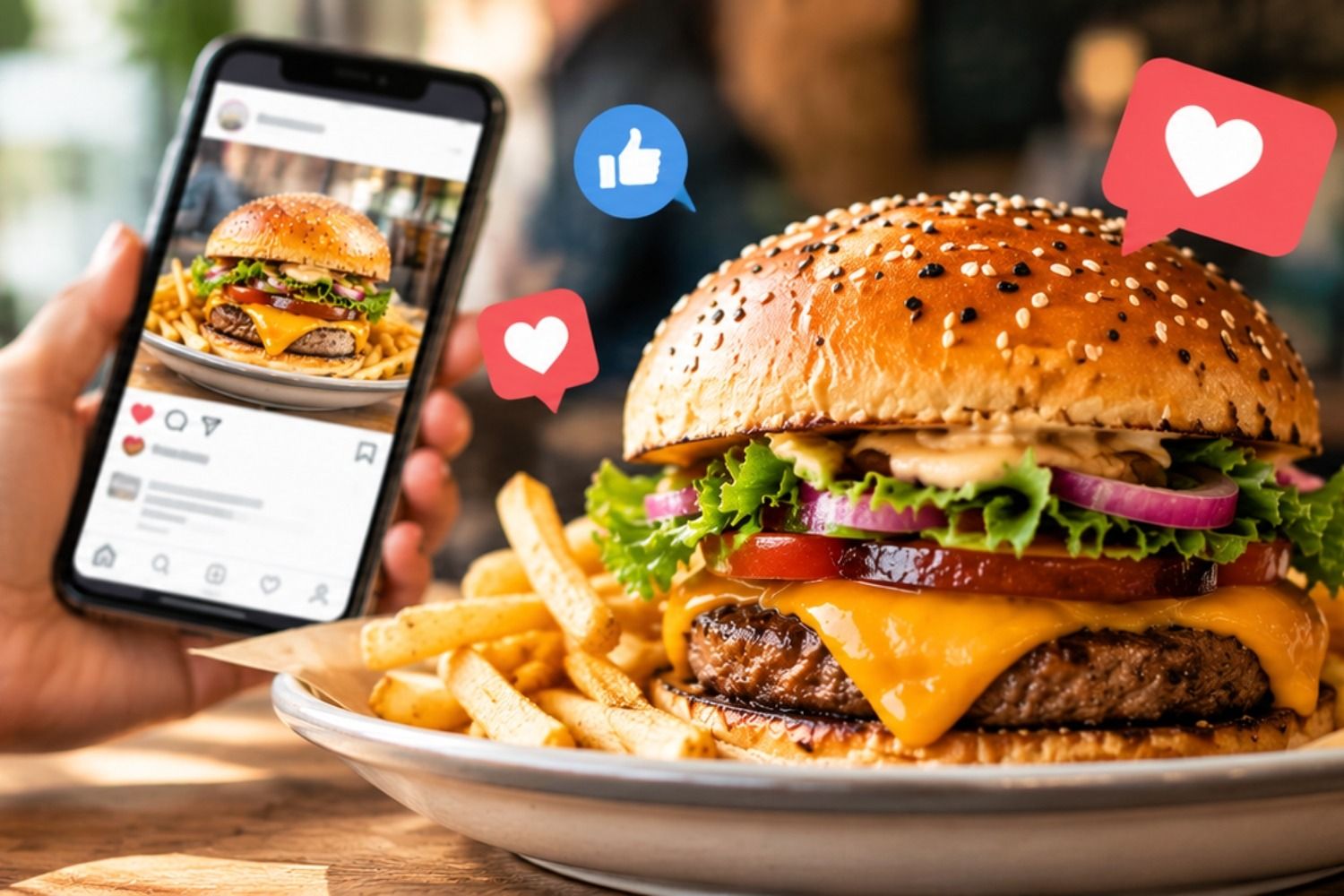
The more interesting question is why people care in the first place. Because when a food or beverage goes viral, the product is often only one part of the appeal. The rest is culture, identity, social currency, nostalgia, novelty, and the very human desire to participate in something other people are talking about. The food may be what people consume, but the meaning surrounding it is what makes them pay attention.
Consider the rise of Dubai chocolate, the pistachio-filled chocolate bar with a crunchy kunafa-inspired center that spread across social media and inspired countless imitations. Its appeal was not simply a new flavor combination. The bar offered a visual reveal, an indulgent texture, an element of discovery, and a product that looked as compelling on camera as it sounded in a review. It also drew on a recognizable cultural reference, connecting a specific confectionery style with the broader appetite for global flavors and food experiences that feel new to consumers. The result was something people could taste, film, discuss, recreate, and share. Each post helped turn an individual eating experience into a collective cultural moment.
That distinction matters. A delicious product can generate repeat purchases. A culturally resonant product can generate conversation, imitation, and demand from people who have not even tried it yet. The first is a product achievement. The second is a cultural phenomenon, and brands need to understand the difference.
The 2019 Popeyes chicken sandwich frenzy offers another lesson. The sandwich became a national talking point through a combination of product appeal, social media competition, and a public debate over which fast-food chain had the better chicken sandwich. The exchange between Popeyes and Chick-fil-A turned an ordinary menu item into a contest consumers could participate in simply by choosing sides, sharing opinions, or standing in line. When Popeyes temporarily ran out of sandwiches, scarcity became part of the story. People were no longer just deciding whether they wanted lunch. They were participating in a cultural conversation about taste, brand rivalry, and who deserved to win. The sandwich was the product, but the competition made it an event.
For food and beverage executives, these examples expose a limitation in how brands often approach trends. They see the visible behavior and rush to replicate it. Pistachio is trending, so introduce a pistachio product. Consumers are posting elaborate drinks, so create a photogenic beverage. A nostalgic snack is attracting attention, so bring back a retro flavor. Sometimes these moves work. But copying the visible ingredients of a trend without understanding its underlying appeal is how brands end up producing products that look culturally relevant on a brief and disappear from consumers’ attention a few weeks later.
The ingredient is rarely the whole insight. Pistachio can signal indulgence, sophistication, novelty, or a connection to a food tradition. A brightly colored drink might appeal because it is visually distinctive, because it marks a season, or because ordering it communicates something about the person holding the cup. A nostalgic snack can reconnect consumers with childhood, family rituals, or a version of life that feels simpler than the present. The same product attribute can mean very different things to different consumers, and those differences can determine whether a trend travels across audiences or remains concentrated within one community.
This is where culture becomes commercially consequential. Food is unusually effective at carrying meaning because it is both deeply personal and inherently social. What people eat can express where they come from, who they spend time with, what they value, and which communities they identify with. A dish can evoke a family gathering, a regional tradition, a holiday or a memory of home. A new flavor can signal curiosity and cultural exploration. A restaurant order can become a marker of belonging, while a limited-edition product can offer a temporary way to join a conversation. Brands that understand these motivations have a better chance of recognizing opportunities before they become obvious to everyone else.
Multicultural intelligence is particularly important here, because food trends don’t emerge in a cultural vacuum. Flavors and food traditions that are suddenly described as the next big thing may have long histories within particular communities. What looks new to a mainstream audience may be familiar to consumers who have grown up with it. That does not mean brands should avoid introducing culturally specific foods to wider audiences. It means they should understand the history, context, and people behind what they are commercializing. Cultural credibility comes from more than discovering an ingredient at the right moment. It comes from understanding what it means, how it is experienced, and how to engage with it respectfully.
The opportunity is not limited to launching a new product, either. A cultural insight can inform packaging, limited-time offers, partnerships, menu development, creative strategy, and the way a brand invites consumers into an experience. If people are responding to a product because it offers a sense of discovery, a brand might build around exploration rather than simply promote a new flavor. If nostalgia is driving interest, the opportunity may be to reconnect consumers with a memory or ritual rather than reproduce an old product, and hope sentiment does the rest. If the appeal lies in community participation, the brand needs to create something people want to share, not just something they want to photograph.
There is also a critical distinction between attention and demand. A video can attract millions of views without producing a sustainable customer base. A product can sell out because it is scarce, only to lose relevance when the novelty fades. Social conversation can reveal emerging interest, but it does not automatically tell a brand who is driving that interest, what motivates them, whether the behavior extends beyond a highly engaged online audience, or whether curiosity will translate into repeat purchases. Those are different questions, and answering them requires more than monitoring hashtags or counting mentions.
The brands best positioned to capitalize on food culture will be the ones that connect these signals to a deeper understanding of consumer motivations. They will ask who is participating, why this particular product resonates now, what cultural tension or desire it speaks to, and which elements of the experience have the potential to endure. They will distinguish a temporary social media spectacle from a meaningful shift in consumer behavior. Most importantly, they will recognize that the next opportunity may not be another version of the product everyone is already copying. It may be an entirely different way of meeting the need that made the product popular in the first place.
The viral food is rarely just about the food. It is about what the product allows people to experience, express, remember or share. For food and beverage brands, that is the difference between chasing the next trend and understanding the culture that creates it.
Jembe Intelligence helps brands uncover the cultural signals, consumer motivations, and behaviors behind emerging trends, turning what people are talking about into insight that informs what businesses do next. Don’t just chase what’s going viral. Understand why it matters, who it matters to, and where the opportunity is going next.