The Reason Food Is One of the Most Personal Things a Brand Can Sell
There’s fashion, beauty products, and even auto. But there are a few categories where a purchase can carry quite as much personal meaning as food. What seems to be an ordinary snack can remind someone of childhood. A dish can connect a family across generations. A random grocery item can reflect someone's values, financial circumstances, cultural background, or sense of belonging. Even an ordinary trip to the supermarket can involve decisions shaped by memory, identity, and habit, often without a shopper realizing it.
For brands, this makes food a complicated business. Consumers are not simply choosing between flavors, ingredients, or price points. They are constantly making decisions about what feels familiar, what feels worth trying, what belongs in their homes, and what reflects something about who they are. A food product may occupy a small space on a grocery shelf, but its meaning can extend well beyond the transaction.
That is part of what makes the food and beverage category so competitive. Food brands are not only competing to feed hungry consumers. They’re jockeying for a place in people's routines, relationships, memories, and cultural lives.
Think about the foods people return to again and again. Some are chosen for convenience. Others are tied to family traditions, regional identity, or the comfort of knowing exactly what something will taste like when someone reaches for it on the shelf. A familiar brand can carry decades of associations. A recipe can become a treasured family inheritance. A specific ingredient can make someone feel connected to a place they no longer live. These relationships are difficult to replicate through product innovation alone because the emotional value was not created in a brand’s test kitchen. It developed through people's actual experiences with the food.
Brands that overlook this important dimension run a genuine risk of treating loyalty as a function of habit or availability. But consumers often have reasons for choosing one product over another that go beyond the obvious. They may prefer a brand. After all, it reminds them of home, because it is what a parent or grandparent used, or because it delivers a version of a familiar food that feels authentic to their experience. Understanding those motivations can reveal opportunities that a conventional analysis of taste preferences or purchase frequency may miss.
Food is also one of the most obvious ways people express cultural identity. Teenagers will choose Takis over Doritos for a reason. What people eat, how they prepare it, when they serve it, and how they share it can communicate quite a bit about their backgrounds and communities. Yet food marketing often reduces culture to recognizable ingredients, holiday references, or familiar visual cues. A brand may introduce a product inspired by a particular cuisine and assume that cultural recognition is enough to establish relevance. It isn't.
Cultural relevance requires more than borrowing the visible elements of a food tradition. It requires understanding the context in which that food is consumed, the role it plays in people's lives, and the differences in how communities experience it. A dish that represents comfort to one person may represent celebration to another. An ingredient that feels essential to one household may be unfamiliar to another. Even within a shared cultural identity, food preferences and practices can vary by generation, geography, family history, and personal experience. And for many new-gen consumers trying to fit in with peers, they may even reject foods too closely associated with their cultural identity, only to return to it after an appreciation of their heritage.
The assumption that a demographic group shares a single relationship with food can lead brands to miss the very consumers they are trying to reach. Broad labels may help define an audience, but they do not explain what motivates consumers on a cultural level.
There is another important tension at work worth noticing. Food is deeply personal, but it is also shaped by practical realities. Consumers may care about ingredients, sustainability, nutrition, and sourcing while still making decisions based on price, convenience, availability, and time. They may want to cook from scratch but rely on prepared foods during a demanding week. They may express interest in healthier options but prioritize taste when making a purchase. They may value premium products but reserve those purchases for special occasions. These are not necessarily contradictions that brands need to solve. They are competing priorities that point to how people actually live.
For food companies, understanding the distance between what consumers aspire to buy and what they can or choose to buy is critical. A product can align perfectly with a consumer's values and still get left on the shelf. A premium offering may appeal in concept but feel difficult to justify in practice. A convenient product may succeed not because consumers have abandoned their interest in cooking, but because it helps them manage the demands of everyday life.
Research that focuses only on stated preferences can miss these trade-offs. Understanding the context behind a decision is the goal that makes the findings useful.
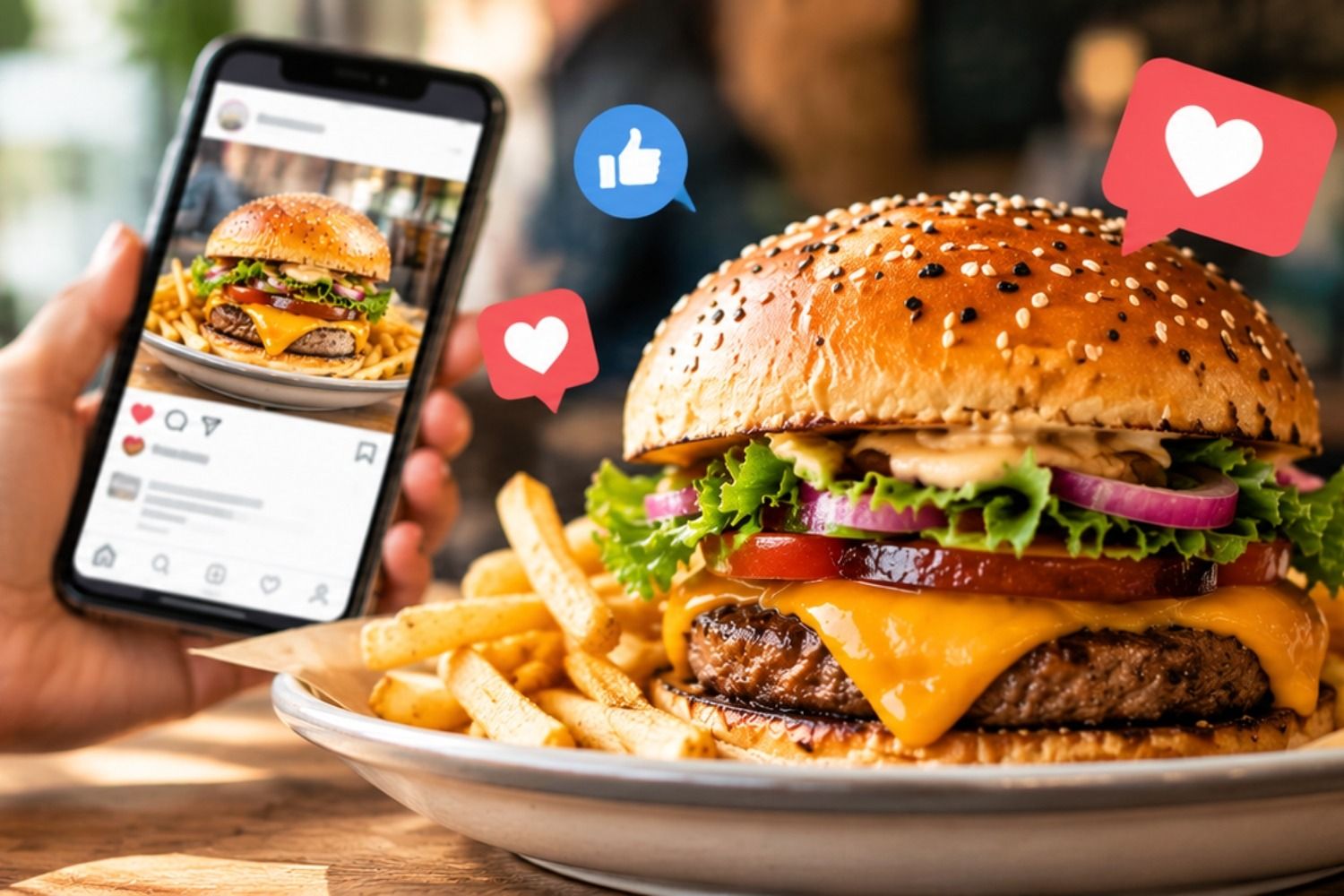
Social media has added another dimension to the relationship between food and identity. Platforms have turned eating into a form of discovery, entertainment, and participation. A restaurant dish can become a viral destination. A grocery product can develop a following through creator recommendations. A recipe can travel across communities and inspire new interpretations. Food trends can emerge from niche online spaces before established brands recognize their commercial potential. But attention is not the same as demand, and visibility is not the same as cultural significance.
A product may go viral because it is visually compelling, difficult to find, or entertaining to try. Another may gain traction because it connects to nostalgia, offers a sense of discovery, or introduces people to a food they have never encountered. Those motivations matter because they influence whether interest translates into repeat purchase or simply disappears when the next trend arrives.
Brands that respond only to the visible popularity of a product may end up reproducing its surface features without ever understanding the reason people cared in the first place. The better question is not simply what food is trending. What does the trend reveal about changing tastes, social behavior, cultural exchange, or unmet consumer needs?
This matters as food brands navigate increasingly diverse audiences. The American consumer market is not moving toward one shared definition of taste or convenience. It’s shaped by overlapping cultural influences, generational differences, migration, regional traditions, and changing household structures. Consumers may be discovering new cuisines while maintaining their strong attachments to familiar foods. Younger generations may reinterpret family recipes or adapt traditional dishes to fit their lifestyles. What looks like a new trend to one audience may be an established staple in another.
For food and beverage brands, this creates an opportunity to move beyond the familiar playbook of introducing a product, attaching a cultural reference, and just hoping the audience responds. The opportunity here is to understand how food travels between communities, how traditions evolve, and where consumers are looking for products that reflect their actual lives.
That understanding can inform more than marketing. It can shape product development, packaging, retail strategy, innovation, and the way brands define their audiences. It can also help identify unmet needs within communities that have been traditionally treated as secondary markets. It can also tell brands why a product that performs well with one group may not resonate at all with another, even when the demographics appear similar on paper.
The brands that understand food as a personal category will recognize that consumer relationships are built through more than exposure and repeat purchase. They are built through relevance, trust, and the ability to deliver something that fits into people's lives. Sometimes that means offering a new experience. Other times, it means respecting a familiar experience without trying to reinvent it for a new audience.
This requires thoughtful research that goes beyond just asking consumers what they like to eat. That will not tell you much to work with. Brands need to understand what food means to them, how their preferences are shaped, what trade-offs influence their decisions, and where their experiences differ. Qualitative research can uncover the memories, motivations, and cultural context behind food choices. Quantitative research can help establish how widely those attitudes and behaviors are shared, where differences emerge, and which opportunities have the greatest potential. Neither approach tells the whole story on its own. Together, they can help brands distinguish between a passing preference and a meaningful consumer need that shapes how they shop.
Food is one of the most personal things a brand can sell because it enters people's lives in ways few other products do. It becomes part of family routines, cultural traditions, celebrations, daily compromises, and memories that may last decades. Brands cannot simply claim a place in those experiences. They have to earn it.
The Jembe takeaway: Food choices are about more than taste. They reflect identity, memory, culture, aspiration, and the practical realities of everyday life. Brands that understand those connections can move beyond broad consumer assumptions and develop products, experiences, and strategies that reflect how people actually live.
Jembe Intelligence helps brands understand the cultural motivations, consumer behaviors, and unmet needs shaping the food marketplace. Because knowing what people buy is useful. But understanding why they buy it is where the opportunity begins.
Request a demo here.